
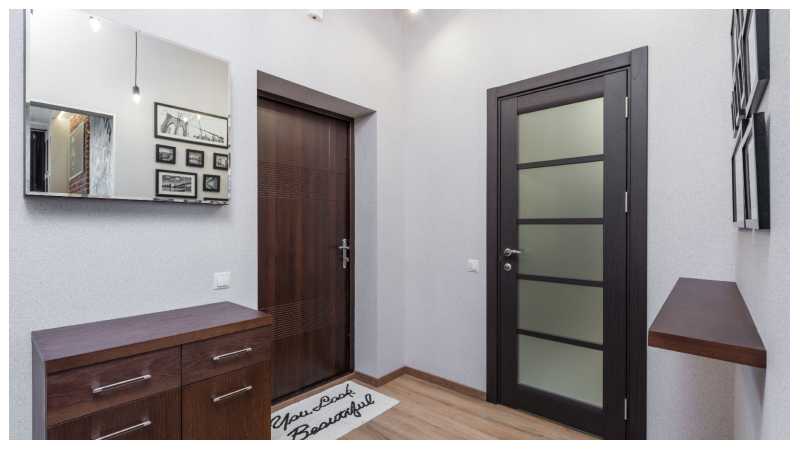
Interior doors are an important part of home design, but they are sometimes overlooked when homeowners plan a renovation or decoration project. While doors provide privacy and separate different areas, they also influence the visual character of a home. The right door style can make a room feel more polished, spacious, modern, or traditional.
Today, homeowners have many options beyond basic flat-panel doors. Different materials, colors, glass designs, panel arrangements, and hardware finishes allow interior doors to become an intentional part of the overall decorating scheme.
If you are planning to update your doors, understanding current design directions can help you choose a style that works with your home’s architecture and personal preferences. This guide explores what interior doors are trending mintpaldecor and explains how different styles can be incorporated into bedrooms, living areas, offices, kitchens, and other spaces.
Why Interior Doors Matter in Home Design
Interior doors occupy a noticeable amount of wall space, especially when several rooms connect through the same hallway. Because of this, their appearance can affect the overall flow of an interior.
A well-selected door can complement flooring, wall colors, furniture, and architectural details. Conversely, a door that clashes with the surrounding design may make an otherwise coordinated room feel disconnected.
Doors also serve practical purposes. They can improve privacy, reduce visual distractions, separate noisy areas, and help define different zones within an open or semi-open home.
When choosing a new door, therefore, consider both appearance and function. A beautiful design is more useful when it also suits the room where it will be installed.
Classic Panel Doors Remain Popular
Panel doors continue to be a familiar choice because they work with many interior styles. Their simple structure can suit traditional, transitional, contemporary, and modern homes.
Depending on the design, panel doors may feature one large panel, two panels, three panels, or several smaller sections. The number and arrangement of panels can change the overall character of the door.
Simple panel arrangements can create a clean appearance, while more detailed profiles can provide traditional charm.
White remains a versatile finish because it can coordinate with many wall colors and decorating styles. However, homeowners can also consider painted colors or natural wood finishes when they want the doors to become stronger visual features.
Modern Minimalist Doors
Minimalist interiors often favor doors with simple shapes, clean lines, and limited decorative detailing. These doors can create a calm appearance without competing with other design elements.
Flat-panel doors are particularly suitable for contemporary spaces because their smooth surfaces provide a straightforward appearance.
Minimalist doors can work well in homes where furniture, lighting, and accessories already provide visual interest. Their understated design allows the rest of the room to remain the focus.
Neutral finishes such as white, soft gray, beige, or natural wood can reinforce a relaxed and modern atmosphere.
Natural Wood Doors Add Warmth
Wood remains an attractive option for homeowners who want natural texture and warmth. Wood doors can introduce character into spaces that otherwise rely heavily on painted surfaces.
Oak, walnut, maple, and other wood varieties can create different visual effects depending on their grain, color, and finish.
Natural wood doors can work especially well with wood flooring, woven accessories, neutral textiles, and other organic materials. They can also provide contrast in modern interiors dominated by smooth surfaces.
When selecting wood, consider how its tone interacts with existing flooring and furniture. Similar wood tones can create continuity, while carefully selected contrasting tones can create visual distinction.
Glass Panel Doors for Light and Openness
Glass-panel interior doors are useful when homeowners want to separate spaces without completely blocking light.
These doors can work well between kitchens and dining areas, home offices and living rooms, or hallways and other spaces.
Clear glass allows the greatest amount of visual connection, while frosted or textured glass can provide greater privacy.
Glass doors require regular cleaning, so consider their maintenance requirements before choosing them. They may also be less suitable for rooms where complete privacy is essential.
For homes with limited natural light, strategically placed glass-panel doors can help make connected spaces feel brighter.
Black Interior Doors Create Contrast
Dark interior doors have become a recognizable design choice in contemporary homes. Black or deep charcoal doors can create contrast against light walls and provide a stronger architectural presence.
This approach works particularly well when the darker finish is repeated through other elements such as cabinet hardware, lighting fixtures, window frames, or furniture details.
However, dark doors can visually dominate a small room if used without consideration. Balance them with lighter surrounding colors and sufficient lighting.
The goal is not necessarily to make every door dark. A single dark door can sometimes create a stronger statement than using the same finish throughout the entire home.
Sliding Barn-Style Doors
Sliding doors can combine decorative appeal with practical space-saving benefits. Because they move along a track rather than swinging outward, they can be useful where traditional door movement would interfere with furniture or walking areas.
Barn-style doors are often associated with rustic and farmhouse interiors, but simpler versions can also work in modern spaces.
Choose the hardware carefully because the track and handles become visible design elements. A simple track can create a contemporary appearance, while more decorative hardware can reinforce a rustic character.
Before installation, make sure there is enough wall space beside the doorway for the door to slide completely open.
Pocket Doors for Small Spaces
Pocket doors slide into the wall when opened, making them particularly useful for rooms where floor space is limited.
They can work well for bathrooms, laundry rooms, home offices, closets, and compact bedrooms.
One advantage is that the door does not occupy floor or wall space when open. This can make furniture placement easier and create a more flexible layout.
Pocket-door installation can be more involved than replacing a standard hinged door because the wall needs to accommodate the door cavity. Check for plumbing, wiring, structural components, and other obstacles before beginning such a project.
French-Style Interior Doors
French-style doors typically feature glass panels within a framed structure and are often used where homeowners want separation without completely closing off visual space.
They can add an elegant appearance to offices, dining areas, living rooms, and other shared spaces.
Depending on the frame color and glass design, they can fit traditional, transitional, industrial, or contemporary interiors.
Black-framed versions create stronger contrast, while white or natural wood frames can produce a softer appearance.
The number and size of glass panes also influence the final look, so choose a configuration that complements the architectural style of the home.
Flush Doors for a Clean Appearance
Flush doors have smooth surfaces without raised or recessed panels. Their simplicity makes them suitable for modern and minimalist interiors.
They are useful when homeowners want doors to blend quietly into the background rather than becoming decorative focal points.
A flush door painted the same color as the wall can create a particularly seamless appearance. Alternatively, a contrasting color can make the doorway more noticeable.
Because the surface is simple, hardware becomes more important. Handles and hinges can provide subtle decorative details without making the overall door design complicated.
Arched and Curved Door Designs
Curved architectural details can add softness and character to interiors. Arched doorways and doors can create a more distinctive appearance than standard rectangular openings.
These designs may work especially well in homes with Mediterranean, traditional, European-inspired, or eclectic influences.
However, unusual door shapes can require more specialized installation and may involve greater costs. They should therefore be considered as part of the home’s broader architectural design rather than as an isolated trend.
Choosing the Right Door Color
Color is an important consideration when updating interior doors. White remains a flexible choice, but it is not the only option.
Soft gray can create a subtle contemporary appearance. Black can provide contrast. Deep green, blue, or other muted colors can introduce personality without overwhelming the room.
Natural wood finishes can provide warmth and texture.
When selecting a color, consider the surrounding walls, flooring, trim, cabinets, and furniture. The door does not necessarily need to match every element, but the overall combination should feel intentional.
Hardware Can Change the Entire Look
Door hardware may seem like a small detail, but handles and knobs can significantly influence the finished appearance.
Matte black hardware can complement modern dark or neutral interiors. Brass or bronze finishes can add warmth and traditional character. Stainless or chrome finishes can work well with contemporary designs.
Choose hardware based not only on appearance but also on durability and comfort. Handles should feel natural to use, especially on frequently opened doors.
Keeping hardware finishes reasonably consistent throughout nearby rooms can also help create visual continuity.
Think About Privacy and Function
Trends should never be the only consideration when selecting an interior door. Different rooms have different requirements.
Bedrooms and bathrooms generally benefit from doors that provide strong privacy. Offices may require doors that reduce distractions and create separation. Living areas may benefit from glass or partially glazed options when visual openness is preferred.
Consider sound transmission as well. Solid-core doors can provide greater separation than lightweight hollow-core options, although the right choice depends on the room and project requirements.
A practical door that suits the room’s purpose will remain useful long after a particular decorating trend changes.
Coordinate Doors Throughout the Home
You do not necessarily need identical doors in every room, but there should be some visual relationship between them.
For example, you might use simple white panel doors throughout the bedrooms and choose a glass-panel door for a home office. The different designs can still work together if their colors, hardware, or proportions are coordinated.
Using too many unrelated door styles can make a home feel visually inconsistent.
Think about doors as part of the home’s overall design language rather than treating every doorway as a separate project.
Consider Maintenance and Durability
Before selecting a door, consider how much maintenance it will require. Smooth painted surfaces may be easy to clean, while detailed profiles can collect dust in recessed areas.
Glass requires regular cleaning to remain clear and attractive. Natural wood may require specific care depending on its finish and location.
High-traffic areas also require durable materials and hardware. A beautiful door that is difficult to maintain may not be suitable for a busy household.
Balancing style, durability, maintenance, and cost can help you make a more practical decision.
Final Thoughts
Interior doors have evolved from being purely functional features into important elements of home decoration. Panel doors, minimalist designs, natural wood, glass panels, sliding doors, pocket doors, French-style designs, and contrasting finishes offer many possibilities for homeowners.
When considering what interior doors are trending mintpaldecor, remember that a trend is only one part of the decision. The best choice for a particular room depends on its size, purpose, lighting, existing decoration, privacy requirements, and architectural style.
Think about how the door will interact with walls, flooring, furniture, trim, and hardware. Consider maintenance and long-term practicality as well as appearance.
Ultimately, what interior doors are trending mintpaldecor can be understood through a combination of contemporary style and practical design. A well-chosen door can improve the flow of a home, add character, make better use of available space, and create a more cohesive interior.
Whether you prefer clean minimalist doors, warm wood, elegant glass, bold dark finishes, or space-saving sliding designs, thoughtful selection can help your doors become a natural and attractive part of your home’s overall design.
By researching what interior doors are trending mintpaldecor before beginning your project, you can compare different styles and choose options that suit both your current interior and your long-term needs.