
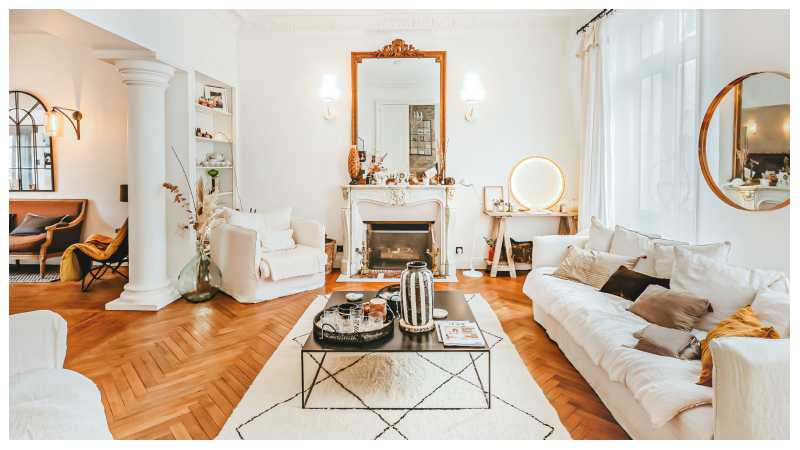
A comfortable and attractive home does not always require expensive renovations or professional interior designers. Sometimes, simple changes can improve the way a room looks, feels, and functions. From organizing clutter to making better use of small spaces, practical home hacks can help homeowners solve everyday problems while creating a more pleasant living environment.
Today’s homes often need to accommodate multiple activities and functions within the same space. A living room may be used for relaxing, entertaining guests, working, and spending time with family. Bedrooms need to provide comfort while also offering storage. Kitchens must remain organized despite regular daily use. Because of these demands, smart solutions can make a major difference.
The idea behind mintpaldecor home hacks from myinteriorpalace is to approach home improvement with creativity, practicality, and simplicity. Instead of making complicated changes, homeowners can focus on affordable ideas that improve organization, comfort, appearance, and everyday convenience.
Make Better Use of Available Space
A simple way to enhance your home is to make better use of the space you already have, including overlooked areas for storage or decoration.
Look at corners, spaces underneath furniture, empty wall areas, and the space behind doors. A narrow shelf can turn an unused wall into practical storage, while baskets under a bench can provide a convenient place for blankets, shoes, or household items.
Vertical space is particularly valuable in smaller homes. Tall shelving units can provide more storage without taking up much floor space. Wall-mounted hooks can also keep coats, bags, kitchen tools, and accessories organized.
Before purchasing additional furniture, consider whether existing areas can be improved. Sometimes the best solution is already available within the room.
Declutter Before Decorating
A beautiful room can quickly lose its appeal when surfaces are covered with unnecessary items. Decluttering should therefore be one of the first steps in any home improvement project.
Begin with one room or one section rather than trying to organize the entire house at once. Separate belongings into categories such as items to keep, donate, recycle, or discard.
After removing unnecessary objects, organize the things you use regularly. Frequently used items should be easy to reach, while seasonal or rarely used belongings can be stored in less accessible areas.
Decluttering also makes decorating easier. With fewer objects competing for attention, furniture, artwork, lighting, and other design features become more noticeable.
Create Simple Storage Solutions
Storage does not have to be expensive or complicated. Attractive baskets, boxes, containers, and shelves can help control everyday clutter.
Use labeled containers for items that tend to become mixed together. For example, household supplies, craft materials, children’s toys, cables, and seasonal accessories can each have dedicated storage.
In the kitchen, containers can keep dry ingredients organized. In bedrooms, drawer dividers can separate smaller accessories. In bathrooms, baskets can group toiletries and cleaning products.
Choose storage solutions that match the room’s design. When practical storage also looks attractive, it becomes part of the decoration instead of something that needs to be hidden.
Refresh a Room With Rearrangement
You do not always need new furniture to give a room a fresh appearance. Rearranging existing pieces can create a surprisingly different atmosphere.
Try moving the sofa to another wall, changing the position of chairs, or creating a more open pathway through the room. Consider how people naturally move through the space and arrange furniture accordingly.
Avoid placing every piece against a wall simply because that is the traditional arrangement. In larger rooms, furniture can sometimes be positioned away from walls to create separate areas for conversation, reading, or relaxation.
Take photographs of the room before and after rearranging furniture. Comparing the two arrangements can help you identify which layout feels more balanced.
Improve the Home With Lighting
Lighting can completely change the mood of an interior. A room with good furniture may still feel uncomfortable if it has harsh or insufficient lighting.
Start by making the most of natural light. Keep windows clean and avoid blocking them with unnecessarily heavy furniture.
Use several types of artificial lighting when possible. Ceiling lights can provide general illumination, while table lamps and floor lamps can create softer lighting for relaxing areas.
Accent lighting can also highlight artwork, shelving, architectural features, or decorative objects.
Changing a lampshade or adding a new lamp can be a simple way to update a room without replacing major furniture.
Use Mirrors Strategically
Mirrors are useful decorative features that can also influence how a room feels. When positioned thoughtfully, they can reflect light and create a greater sense of openness.
A large mirror placed opposite or near a window can reflect natural light throughout the room. Smaller mirrors can work well in hallways, bedrooms, bathrooms, and decorative wall arrangements.
Consider the shape and frame of the mirror as well. A wooden frame can add warmth, while a simple metal frame may complement a modern interior.
Avoid placing mirrors where they reflect unattractive clutter. Their position should be selected carefully so that the reflected view improves the overall appearance of the room.
Give Old Furniture a New Purpose
Replacing furniture can be expensive, but older pieces can often be refreshed or repurposed.
A worn wooden table may look completely different after cleaning, sanding, and refinishing. An old chair can receive a new cushion or upholstery. A small cabinet can become useful storage in another room.
Think creatively about furniture before deciding to replace it. A piece that no longer works in the living room may be perfect for a bedroom, hallway, home office, or entryway.
Repurposing furniture can also reduce waste and give your home a more individual character.
Organize the Kitchen for Convenience
The kitchen becomes easier to use when frequently needed items are kept within reach. Start by identifying the tools and ingredients you use most often.
Group similar items together and avoid overcrowding countertops. Everyday appliances can remain accessible, while rarely used equipment can be stored in cabinets.
Use drawer organizers to separate utensils and small tools. Vertical racks can make better use of cabinet space, while containers can keep dry ingredients neat.
A well-organized kitchen does more than look attractive. It can also make cooking and cleaning faster because everything has a logical place.
Make Bedrooms More Relaxing
The bedroom should be a comfortable retreat rather than a storage area filled with unnecessary belongings.
Choose soft bedding, suitable lighting, and a calming color palette. Keep surfaces such as bedside tables reasonably clear and store clothing properly.
Under-bed storage can be particularly useful for seasonal clothing, spare bedding, and other belongings. However, avoid filling every available space simply because storage exists.
The most effective mintpaldecor home hacks from myinteriorpalace encourage homeowners to combine organization with comfort instead of sacrificing one for the other.
Improve the Entryway
The entryway creates the first impression of a home. Even a small entrance can become more functional with a few thoughtful additions.
A wall-mounted hook system can provide a place for coats, bags, and keys. A narrow bench can offer seating while also providing hidden storage underneath.
A small tray near the entrance can collect keys and other everyday items. This simple solution can prevent belongings from being misplaced.
Keep the entryway relatively clear because excessive furniture or decoration can make a narrow area feel crowded.
Add Plants and Natural Elements
Plants can bring freshness and life into an interior. They can also add natural color without requiring major design changes.
Choose plants according to the amount of sunlight and care you can provide. Place smaller plants on shelves, desks, or side tables, while larger varieties can fill empty corners.
Natural materials can provide a similar effect. Wooden accessories, woven baskets, stone surfaces, and natural fabrics can introduce warmth and texture.
If maintaining live plants is difficult, low-maintenance varieties or realistic artificial alternatives can still provide decorative benefits.
Make Bathrooms More Organized
Bathrooms often contain many small items, making organization especially important.
Use trays, baskets, wall-mounted organizers, or drawer dividers to group toiletries and personal-care products. Keep frequently used products accessible while storing extras elsewhere.
Matching containers can create a cleaner visual appearance. However, functionality should remain the priority.
Regularly remove expired or unused products. This creates additional space and prevents cabinets from becoming unnecessarily crowded.
Create a More Functional Home Office
Working from home requires an environment that supports concentration and organization. A dedicated workspace does not necessarily require an entire room.
A small desk in a quiet corner can work effectively when paired with proper lighting and organized storage. Keep cables controlled and avoid allowing paperwork to accumulate.
Wall shelves can store books and office supplies without taking up valuable desk space. A comfortable chair is also important because an attractive workspace is not useful if it is uncomfortable for extended periods.
Use Color Through Small Details
You do not need to repaint an entire room to introduce a new color. Small decorative changes can have a significant effect.
Consider adding colorful cushions, curtains, rugs, artwork, vases, or decorative objects. These elements can introduce personality while remaining relatively easy to replace.
If the main furniture is neutral, stronger accent colors can create visual interest. For a colorful room, neutral accessories can provide balance.
The goal is to create harmony rather than simply adding as many colors as possible.
Save Money by Improving What You Already Own
One of the most useful approaches to home improvement is learning when replacement is unnecessary.
Before buying something new, ask whether cleaning, repairing, repainting, rearranging, or repurposing an existing item could solve the problem.
Small repairs can extend the life of furniture and household items. Changing hardware on cabinets or updating decorative details can also provide a fresh appearance without a major investment.
This practical approach makes home improvement more affordable and encourages thoughtful consumption.
Develop a Regular Home Maintenance Routine
Home hacks are most effective when combined with regular maintenance. Small problems are generally easier to handle before they become major issues.
Create simple routines for cleaning, organizing, checking household fixtures, and maintaining furniture. Keep frequently used cleaning supplies accessible so small messes can be handled quickly.
Seasonal maintenance can also help protect the home. Check storage areas, windows, doors, lighting, and other frequently used features periodically.
A maintained home usually requires fewer emergency fixes and remains more comfortable throughout the year.
Focus on Practicality and Personal Style
Home decoration should reflect the people who live in the space. While trends can provide inspiration, practical choices are usually more valuable in the long term.
Choose furniture and accessories that suit your lifestyle. A family with children may need durable materials and easy storage, while someone living alone may prioritize open space and minimalist decoration.
Do not feel pressured to copy a particular design style. Combining different influences can create a home that feels unique and authentic.
The strongest mintpaldecor home hacks from myinteriorpalace are not about following strict rules. They are about finding simple ways to make your home more comfortable, organized, attractive, and useful.
Final Thoughts
Improving a home does not always require a large budget, major renovation, or professional assistance. Small changes can produce meaningful results when they are planned carefully.
Decluttering, improving storage, rearranging furniture, updating lighting, repurposing old pieces, adding plants, and organizing everyday areas can all make a home feel better.
The most successful improvements are those that solve real problems while also enhancing the appearance of your surroundings. Start with one room, identify what is not working, and make manageable changes rather than attempting everything at once.
By applying mintpaldecor home hacks from myinteriorpalace, homeowners can discover practical ways to improve their spaces while keeping decoration personal, functional, and affordable. A better home is not necessarily one filled with expensive items—it is one thoughtfully arranged around the needs and comfort of the people who live there.