
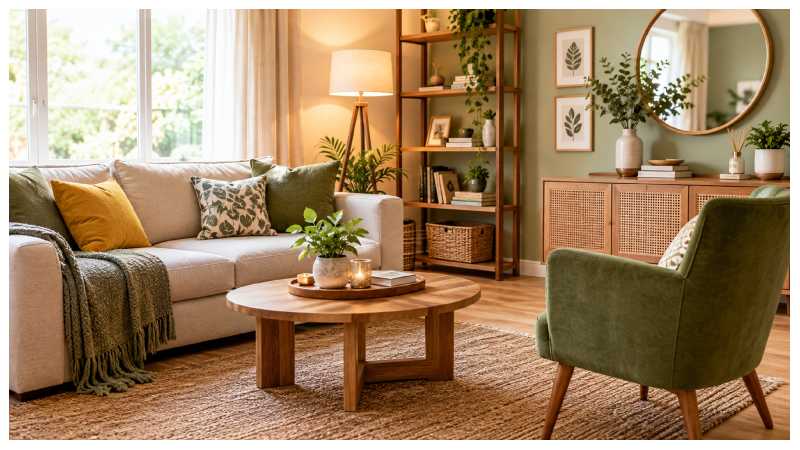
A beautiful home is not necessarily the one filled with expensive furniture, luxurious decorations, or the latest designer accessories. Instead, a welcoming living space reflects personal taste, practical needs, and thoughtful choices. From selecting suitable colors to arranging furniture and adding decorative details, small improvements can make an ordinary room feel more attractive and comfortable.
Following interior decoration advice mintpaldecor can help homeowners understand how to improve their surroundings without making unnecessary purchases. A well-designed interior should combine beauty, functionality, and comfort while making the best use of available space. Whether you live in a small apartment or a spacious house, the right decorating decisions can transform your rooms into enjoyable places to relax, work, and spend time with family.
This article explores practical decorating ideas, creative solutions, and simple techniques that can help you develop a home that feels balanced, organized, and uniquely yours.
1. Choose a Color Palette That Matches Your Style
Color is one of the most influential elements in interior decoration. The shades used on walls, furniture, curtains, and accessories can change how a room feels. Light colors often make smaller spaces appear more open, while deeper shades can introduce warmth and character.
Before purchasing paint or decorative accessories, decide which atmosphere you want to create. Soft neutrals, such as cream, beige, and warm gray, provide a flexible foundation for many interior styles. Green and blue can introduce a calm feeling, while earthy shades add a natural appearance.
A simple approach is to select three complementary colors:
-
Primary color: Use this for the main walls or the largest surfaces.
-
Secondary color: Introduce it through furniture, rugs, or curtains.
-
Accent color: Add small touches through cushions, artwork, lamps, or decorative objects.
You do not need to apply every color equally. Keeping the main shades consistent helps different areas of your home feel connected. You can still introduce variety through patterns, textures, and occasional contrasting details.
2. Arrange Furniture for Comfort and Movement
Furniture placement affects both the appearance and usability of a room. Even attractive furniture can make a space uncomfortable when pieces are arranged without considering movement, lighting, or daily activities.
Begin by identifying the main purpose of each room. A living room might support conversations, reading, watching television, and entertaining guests. Arrange seating to support these activities instead of simply placing every item against a wall.
In smaller rooms, choose furniture that fits the available floor area. A large sofa may look impressive in a showroom but overwhelm a compact living room. A smaller sofa, lightweight chairs, or a nesting table may provide better proportions.
Keep walking routes clear, especially near doors, hallways, and frequently used furniture. Leave enough space to pull out chairs, open cabinets, and move around tables comfortably.
Following interior decoration advice mintpaldecor also means recognizing that furniture does not have to remain in its original position forever. Experiment with different layouts before buying new pieces. Sometimes, moving a sofa, changing a table’s position, or removing an unnecessary chair can improve the entire room.
3. Make Natural Light a Priority
Natural light can make interiors feel brighter, more welcoming, and visually spacious. Instead of covering windows with heavy materials, consider how daylight enters each room throughout the day.
Choose curtains that complement your decorating style without unnecessarily blocking sunlight. Sheer curtains are useful when you want filtered daylight and some privacy, while layered window treatments provide greater flexibility.
Mirrors can also help distribute light visually. Positioning a mirror opposite or near a window may reflect daylight into a darker section of the room. However, consider what the mirror reflects before deciding where to hang it.
Artificial lighting deserves equal attention. A single ceiling light may not provide enough illumination for reading, cooking, or working. Combine different lighting sources where appropriate.
For example, a living room can benefit from ceiling lighting, a floor lamp beside a chair, and a small table lamp near a sofa. In the kitchen, focused lighting over preparation areas can make everyday tasks easier.
Choose warm lighting for relaxing spaces and suitable brighter lighting for work areas. The goal is to make each room practical while maintaining a pleasant atmosphere.
4. Decorate Walls With Purpose
Empty walls offer opportunities to introduce personality, color, and visual interest. However, decorating every available surface can make a room feel crowded.
Start with one main wall or a small collection of meaningful items. Framed photographs, paintings, prints, and decorative mirrors can create an attractive focal point. Select pieces that complement the room’s colors and reflect your interests.
When arranging artwork, consider its relationship with nearby furniture. A picture above a sofa generally looks more balanced when it is positioned in proportion to the seating below it. Artwork hung too high can feel disconnected from the rest of the arrangement.
Gallery walls are another option for displaying several pieces together. To create a cohesive appearance, use a shared color palette, similar frames, or a consistent spacing pattern.
You can also decorate walls with textured finishes, wood details, or carefully selected wallpaper. These features can add depth without requiring extensive renovations.
Remember that a few well-chosen pieces often create a stronger impression than a large collection of unrelated decorations.
5. Add Texture for a More Inviting Interior
Color creates visual harmony, but texture makes a room feel layered and interesting. Combining different materials can prevent a neutral interior from appearing flat or unfinished.
Consider mixing smooth wooden furniture with soft cushions, woven baskets, knitted throws, linen curtains, or textured rugs. These elements introduce variety while keeping the overall design comfortable.
For example, a living room with cream walls and a beige sofa can gain character through a natural-fiber rug, a wooden coffee table, and cushions in complementary shades. The colors remain coordinated, but the different surfaces create visual depth.
When selecting textiles, think about maintenance as well as appearance. Homes with children, pets, or frequent visitors may benefit from washable cushion covers, durable upholstery, and rugs that are easy to clean.
Plants can contribute another layer of texture. Their leaves introduce natural shapes and colors that work well with many decorating styles. Choose varieties suited to your available light and your ability to care for them.
6. Improve Small Spaces With Smart Decorating Choices
Small rooms require thoughtful planning because every piece of furniture and every decorative object occupies valuable space. The objective is not to remove all personality but to balance useful storage with an open appearance.
Multifunctional furniture can be especially helpful. Storage ottomans provide seating while concealing everyday items, beds with drawers offer additional storage, and extendable tables can accommodate different household needs.
Vertical space is another valuable resource. Wall-mounted shelves, tall bookcases, and hooks can help organize belongings without filling the entire floor area.
Keep frequently used items accessible and store occasional belongings in designated containers. A well-organized room often feels larger because the eye can move around without encountering unnecessary clutter.
Use mirrors and layered lighting to improve the sense of openness. Choose curtains that hang neatly and avoid oversized decorative pieces that compete with limited space.
If you want to apply interior decoration advice mintpaldecor in a small home, begin with the changes that offer the greatest practical benefit. Improving storage, adjusting furniture proportions, and clearing walking routes may accomplish more than buying additional ornaments.
7. Bring Nature Into Your Home
Natural elements can make interiors feel fresh, relaxed, and connected to the outdoors. Plants, flowers, wooden surfaces, and natural fibers are versatile decorating choices that suit both traditional and contemporary homes.
Place plants where their light and watering requirements can be met. A bright windowsill may suit some varieties, while others prefer indirect light. If maintaining live plants is difficult, dried arrangements or high-quality artificial greenery can provide a similar decorative effect.
Fresh flowers can brighten a dining table or entryway, while branches displayed in a simple vase can create an understated centerpiece.
Wooden accessories, stone finishes, rattan baskets, and cotton textiles can reinforce a natural theme. You do not need to use all these materials together. Select a few that complement your existing furniture and color palette.
Natural decorations are most effective when they support the room’s overall design instead of appearing as unrelated additions.
8. Keep Your Home Organized and Clutter-Free
Even a carefully decorated room can lose its appeal when everyday belongings have no designated place. Organization helps preserve the visual balance of an interior while making household routines easier.
Start by identifying items that you use regularly and those that rarely serve a purpose. Donate, recycle, or responsibly dispose of unwanted belongings where appropriate.
Create simple storage systems for common household categories, such as books, paperwork, toys, accessories, and cleaning supplies. Labels and baskets can make it easier for everyone in the household to return items to their proper locations.
Pay particular attention to surfaces such as kitchen counters, coffee tables, bedside tables, and entryway consoles. Keeping these areas reasonably clear allows decorative features to stand out.
You do not need to maintain a perfectly staged home every day. The aim is to develop manageable habits that keep rooms functional and comfortable.
9. Personalize Your Interior Without Overspending
A home should reflect the people who live in it. Personal touches help create a distinctive environment that feels meaningful rather than copied from a showroom.
Display favorite photographs, souvenirs from memorable trips, handmade decorations, or objects connected to your hobbies. These items can become conversation pieces while adding individuality to the design.
You can also refresh a room without replacing expensive furniture. Changing cushion covers, rearranging artwork, updating lampshades, or repainting a small piece of furniture may produce a noticeable difference.
Before making a purchase, consider whether the item serves a purpose, complements your existing decorations, or has personal meaning. This approach helps prevent unnecessary spending and reduces clutter.
The best decorating decisions often come from understanding what you already own and finding creative ways to use it.
10. Create a Consistent Style Throughout Your Home
Every room can have its own personality, but a sense of connection makes the entire home feel thoughtfully designed. This does not mean every space must use identical colors, furniture, or accessories.
Instead, repeat a few elements across different rooms. These might include similar wood finishes, complementary neutral shades, consistent metal accents, or related lighting styles.
For instance, a home with warm wooden furniture, cream walls, and black decorative details can maintain that foundation throughout the living room, bedroom, and dining area. Each room can still introduce different accent colors or patterns.
Pay attention to transitions between spaces, especially in open-plan homes. Rugs, furniture arrangements, and lighting can help define individual areas without making them feel disconnected.
A consistent foundation makes future decorating changes easier because new items can be selected to complement the existing design.
11. Make Decorating Decisions That Support Everyday Life
A successful interior should work for the people who use it. Appearance matters, but practical needs deserve equal consideration.
Families may need durable surfaces, accessible storage, and comfortable shared seating. People who work from home might benefit from a dedicated desk, task lighting, and an organized background for video calls. Those who enjoy entertaining may prefer flexible seating and an accessible dining area.
Think about cleaning requirements before choosing materials. Delicate fabrics, complicated decorative arrangements, and hard-to-reach shelves may require more maintenance than your schedule allows.
Budget planning is equally important. Make a list of priorities and divide projects into manageable stages. Address practical problems first, then invest in decorative improvements as your budget permits.
Applying interior decoration advice mintpaldecor with these everyday needs in mind can help you create a space that remains attractive long after the initial decorating project is complete.
Conclusion
Creating a beautiful home does not require a large budget or professional design experience. Thoughtful color choices, comfortable furniture arrangements, effective lighting, useful storage, and carefully selected accessories can make a meaningful difference.
The most successful interiors balance visual appeal with practical living. Start with one room, identify what needs improvement, and make changes gradually. Reuse furniture where possible, introduce textures that complement your style, and select decorations that have a clear purpose or personal meaning.
By using interior decoration advice mintpaldecor as inspiration for practical and creative improvements, homeowners can develop spaces that feel organized, welcoming, and authentic. With patience and consistent attention to detail, even modest changes can help turn an ordinary house into a comfortable place to call home.