
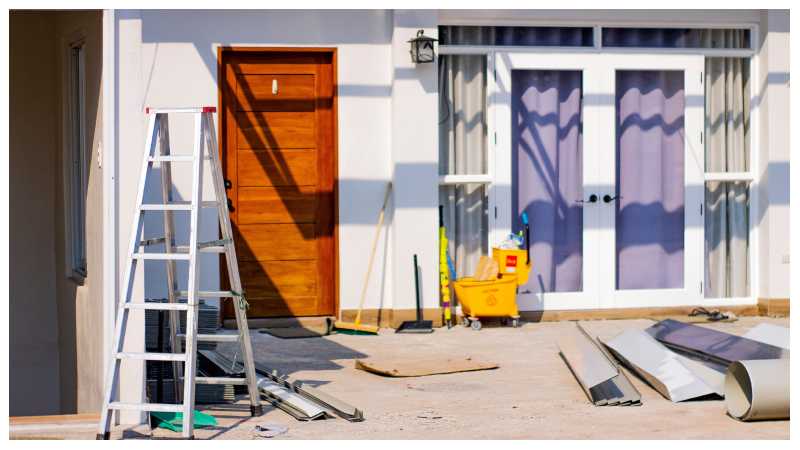
A home is more than a place to live. It is where people relax, spend time with family, work, entertain guests, and create lasting memories. As lifestyles change, houses may also need updates to remain comfortable, attractive, organized, and functional. Thoughtful improvements can make everyday life easier while giving rooms a fresh and welcoming appearance.
House improvement mintpaldecor is about exploring practical ways to upgrade different areas of a home without losing sight of comfort and personal style. Home improvement does not always mean expensive renovations or major construction. Sometimes, relatively simple changes to lighting, storage, furniture, colors, fixtures, and organization can make a significant difference.
Whether you are preparing for a complete renovation or simply want to refresh a few rooms, careful planning can help you achieve better results. This guide explores useful ideas for improving your home while keeping functionality, appearance, budget, and long-term value in mind.
Understanding the Purpose of Home Improvement
Before beginning a project, it is important to understand why you want to improve your home. Some homeowners want to make a property more attractive, while others need additional storage, better functionality, improved comfort, or updated features.
Start by identifying the areas that create the biggest problems in your daily life. Perhaps a kitchen has insufficient storage, a living room feels crowded, or a bedroom needs better lighting.
Making a list of priorities can prevent you from spending money on changes that do not provide meaningful benefits.
A successful improvement project should solve a problem, enhance your lifestyle, or make your home more enjoyable.
Create a Realistic Improvement Plan
Good planning is one of the most important parts of any home project. Before purchasing materials or hiring contractors, determine what you want to accomplish.
Consider creating separate categories for:
- Essential repairs
- Functional improvements
- Decorative updates
- Long-term projects
- Optional upgrades
This approach helps you focus on the most important changes first.
Measurements are also important. Measure rooms, walls, windows, doors, and existing furniture before making purchases. Accurate measurements can prevent problems later, particularly when installing cabinets, flooring, appliances, or large furniture.
Set a Practical Budget
Home improvements can become expensive if there is no clear budget. Establish a spending limit before beginning and divide it according to your priorities.
It is also wise to leave some room for unexpected expenses. Older homes, in particular, may reveal hidden problems once walls, floors, or fixtures are opened.
You can reduce costs by comparing materials, reusing suitable furniture, completing simple decorative projects yourself, and postponing less important upgrades.
A carefully planned budget allows you to focus on improvements that provide the greatest practical value.
Improve the Entryway
The entryway creates the first impression of your home. It should be attractive, organized, and practical.
A small console table, wall hooks, shoe storage, mirror, or bench can make an entryway more useful. If the area is narrow, choose furniture with a slim profile.
Good lighting can also improve the atmosphere. A suitable ceiling fixture or wall light can make the entrance feel brighter and more welcoming.
Keep unnecessary objects away from the entryway so that the space remains easy to navigate.
Refresh the Living Room
The living room is often one of the most frequently used areas in a house. Improving it can have a noticeable effect on the overall home environment.
Start by considering the furniture arrangement. Seating should support conversation while leaving comfortable pathways for movement.
A rug can help define the seating area, while cushions and throws can introduce color and texture. Artwork, plants, and decorative objects can provide additional personality.
Lighting should also be considered. Combining general lighting with floor or table lamps can create a more flexible environment for different activities.
Upgrade the Kitchen
The kitchen requires a strong balance between appearance and functionality. Improvements should make cooking, cleaning, and storage easier.
Consider organizing cabinets according to how frequently items are used. Frequently needed cookware and utensils should be easy to access.
Other possible improvements include updating cabinet hardware, improving lighting, replacing worn surfaces, or adding useful storage accessories.
If you are planning a larger kitchen renovation, think carefully about workflow, appliance placement, counter space, storage capacity, and cleaning requirements.
A visually attractive kitchen becomes much more valuable when it also works efficiently.
Improve Bedroom Comfort
Bedrooms should provide a calm and comfortable environment. Small changes can make a noticeable difference.
Start with comfortable bedding and appropriate lighting. Bedside lamps can provide convenient illumination for reading without relying entirely on bright overhead lighting.
Storage is another important consideration. Keep clothing and personal items organized to reduce clutter.
Soft colors, curtains, rugs, artwork, and carefully selected accessories can create a relaxing atmosphere without requiring a major renovation.
Make Bathrooms More Functional
Bathrooms are practical spaces, but they can also benefit from thoughtful design.
Improving storage can help keep toiletries and everyday products organized. Shelves, cabinets, baskets, and wall-mounted solutions can make better use of available space.
Lighting is particularly important around mirrors and grooming areas. Good illumination can make everyday tasks easier.
For larger bathroom projects, consider ventilation, water-resistant materials, efficient fixtures, and ease of cleaning.
Always use appropriately qualified professionals for plumbing, electrical, structural, or other specialized work when required.
Improve Home Lighting
Lighting is one of the most effective ways to improve a home’s appearance and functionality.
Natural light should be used whenever possible. Keep windows unobstructed and select window treatments that provide privacy while allowing daylight into the room.
Artificial lighting should serve different purposes. General lighting illuminates the entire room, task lighting supports activities such as reading or cooking, and accent lighting highlights decorative or architectural features.
Replacing outdated light fixtures or adding lamps can sometimes refresh a room without changing furniture or flooring.
Improve Storage and Organization
Clutter can make even a beautifully decorated home feel uncomfortable. Better storage can improve both appearance and everyday convenience.
Look for unused areas that can provide storage opportunities. The space beneath beds, inside cabinets, behind doors, and along vertical walls can often be used more effectively.
Multifunctional furniture can be particularly useful. Storage benches, ottomans, beds with drawers, and shelving units can combine practical needs with attractive design.
The goal is not simply to add more storage but to make frequently used items easier to organize and access.
Upgrade Walls and Colors
Changing wall colors can transform the character of a room. Neutral shades can create a flexible foundation, while stronger colors can introduce personality.
Before painting an entire room, consider how the color will look under natural and artificial lighting. Test samples when possible.
Wallpaper, textured finishes, artwork, wall panels, and feature walls can also create visual interest.
A wall improvement does not necessarily need to be dramatic. Even a carefully selected paint color can give an older room a fresh appearance.
Improve Flooring
Flooring has a major influence on the appearance and functionality of a room. When considering a flooring update, think about durability, maintenance, comfort, cost, and the room’s purpose.
Kitchens and entryways may require materials that are easy to clean and capable of handling frequent use. Bedrooms and living rooms may benefit from materials that provide warmth and comfort.
If the existing flooring is still in good condition, a deep clean, repair, or suitable rug may provide an affordable alternative to complete replacement.
Upgrade Doors and Hardware
Small details can make a home feel more updated. Door handles, cabinet pulls, hinges, faucets, and other hardware may appear minor, but replacing worn or outdated pieces can create a more coordinated appearance.
Interior doors can also contribute to the overall design. Consider the style, finish, color, and proportions of doors when updating rooms.
When several rooms are visible from one another, consistent hardware or complementary finishes can create a stronger sense of continuity.
Improve Outdoor Areas
Home improvement does not have to stop at the interior. Outdoor spaces can also become more functional and enjoyable.
A patio, balcony, porch, or garden can benefit from comfortable seating, suitable lighting, planters, storage, and weather-appropriate materials.
If you have a larger outdoor area, consider creating separate zones for dining, relaxation, gardening, or family activities.
Simple landscaping improvements can also enhance the appearance of the property.
Make Your Home More Energy Efficient
Some improvements can reduce energy use while increasing comfort. Depending on the property, possibilities may include improving insulation, sealing drafts, maintaining heating and cooling equipment, using energy-efficient lighting, or choosing efficient appliances.
Window treatments can also help manage sunlight and indoor temperatures.
Before making major energy-related investments, research the expected benefits and consider the characteristics of your particular home.
Choose Durable Materials
When making improvements, it can be tempting to choose materials based entirely on appearance. However, durability should also be considered.
Think about how much wear a surface will receive, how frequently it will need cleaning, and how easy it will be to repair or replace.
Durable materials may have a higher initial cost but can sometimes provide better long-term value.
The best choice depends on the room, your lifestyle, maintenance preferences, and budget.
Add Natural Elements
Natural materials and plants can make interiors feel warmer and more inviting. Wooden furniture, woven baskets, stone surfaces, natural fabrics, and indoor plants can introduce texture and organic character.
Plants can also add color and visual interest. Choose varieties that match the available light and the amount of maintenance you can provide.
Natural elements can work with many interior styles, from contemporary to traditional.
Focus on Safety
Safety should always be part of home improvement planning. Decorative appearance should never take priority over safe installation and proper use.
Keep walkways clear, secure unstable furniture, use appropriate electrical equipment, and follow manufacturer instructions for products and appliances.
Projects involving structural changes, electricity, gas, plumbing, or other specialized systems may require qualified professionals and compliance with local requirements.
Avoid Over-Improving
Not every part of a home needs to be changed. Before starting a project, ask whether the improvement solves a genuine problem.
Replacing something simply because it is no longer fashionable can lead to unnecessary expenses.
Instead, consider whether an existing item can be repaired, refinished, repainted, rearranged, or reused.
This approach can make home improvement more affordable and environmentally responsible.
Improve One Area at a Time
Large renovation plans can feel overwhelming. A practical approach is to divide the work into manageable stages.
Start with the room or feature that needs the most attention. Complete the necessary work, evaluate the result, and then move to the next priority.
This method allows you to spread expenses over time and make better decisions based on what you learn from each project.
It also reduces the risk of making rushed choices.
Create a Consistent Home Style
A home does not need to look identical from room to room, but some visual connections can create a more cohesive environment.
You might repeat certain colors, materials, hardware finishes, or decorative themes throughout the house.
For example, natural wood accents can appear in several rooms, or a particular accent color can be introduced through artwork and accessories.
Consistency helps individual spaces feel like parts of the same home.
Personalize Your Improvements
The best home improvement projects reflect the needs and personality of the people living in the property.
Do not feel pressured to copy a design exactly from a magazine, social media post, or showroom.
Instead, use inspiration as a starting point and adapt it to your space.
Display meaningful artwork, photographs, books, souvenirs, or handmade objects. These details can make a renovated room feel personal rather than generic.
Final Thoughts
Home improvement is a continuing process rather than a single event. As your lifestyle changes, your home may need different layouts, storage solutions, furniture, lighting, and features.
The principles behind house improvement mintpaldecor focus on making thoughtful decisions that balance appearance, comfort, practicality, and budget.
You do not need to complete a major renovation to make your home better. A new lighting arrangement, improved storage system, updated wall color, refreshed furniture arrangement, or carefully selected decorative details can create meaningful changes.
The key is to plan before you begin, identify your priorities, understand your budget, and choose improvements that genuinely support the way you live.
With patience and creativity, house improvement mintpaldecor ideas can help turn ordinary spaces into comfortable, attractive, and functional parts of your home. Start small when necessary, learn from each project, and gradually build a home that reflects your personal style while meeting your everyday needs.