
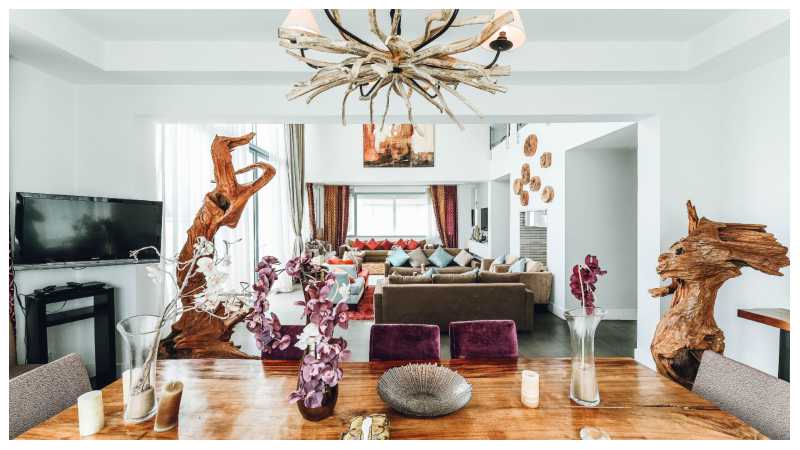
Decorating a home is an opportunity to create an environment that reflects your personality, supports your lifestyle, and makes everyday living more enjoyable. A beautifully decorated house does not necessarily require expensive furniture, major renovations, or constant changes. Thoughtful planning and a few well-chosen details can make an ordinary space feel comfortable, welcoming, and stylish.
Every home has different requirements. A small apartment may need clever storage and space-saving furniture, while a larger house may require careful planning to prevent rooms from feeling empty. Families may prioritize durability and organization, while others may focus more heavily on aesthetics and entertaining.
The most useful house decoration advice mintpaldecor focuses on combining appearance with practicality. Instead of decorating simply to follow trends, homeowners can make decisions based on their space, budget, personal preferences, and everyday needs.
Start by Understanding Your Space
Before buying furniture or decorative accessories, take time to understand the room you want to improve. Look at its size, natural lighting, architectural features, and existing furniture.
Measure the room and note the location of windows, doors, electrical outlets, and built-in features. These details can affect where furniture and decorations can be placed.
Think about how the room is used. A living room designed mainly for family relaxation may need comfortable seating, while one frequently used for entertaining guests may require flexible seating arrangements and open walking areas.
Understanding the space before decorating helps prevent unnecessary purchases and makes it easier to create a balanced layout.
Choose a Consistent Style
A home does not need to follow one strict decorating style, but having a general design direction can create greater harmony.
You might prefer modern minimalism, traditional decoration, farmhouse warmth, contemporary design, industrial details, or a combination of different influences.
Choose a few characteristics that you want to repeat throughout the home. These might include similar colors, materials, furniture shapes, or hardware finishes.
Consistency does not mean every room must look identical. Instead, subtle connections between rooms can make the entire home feel thoughtfully designed.
Select a Suitable Color Palette
Color is one of the easiest ways to transform a room. It can influence the mood, perceived size, and overall character of a space.
Neutral colors such as white, cream, beige, gray, and soft natural tones can create a flexible foundation. They work well with different furniture styles and allow decorative accessories to stand out.
If you prefer stronger colors, use them strategically. An accent wall, colorful rug, artwork, cushions, or curtains can introduce personality without overwhelming the entire room.
Consider how natural and artificial light affects colors throughout the day. A shade that looks soft in bright daylight may appear significantly different in the evening.
Prioritize Furniture Placement
Furniture placement can have a greater impact on a room than the furniture itself. Even attractive pieces can make a space uncomfortable when arranged poorly.
Start by identifying the room’s main focal point. This could be a fireplace, television, large window, artwork, or architectural feature.
Arrange seating so people can communicate comfortably and move around the room without obstacles.
Avoid pushing every piece of furniture against the walls automatically. Depending on the size of the room, bringing some furniture slightly inward can create a more intimate and balanced arrangement.
Leave enough space between major pieces so the room remains functional.
Use Lighting in Layers
Lighting is an essential part of decoration because it affects how colors, textures, and furniture appear.
Instead of depending entirely on one ceiling fixture, combine several lighting sources. General lighting can illuminate the entire room, while task lighting can support activities such as reading or working.
Accent lighting can highlight artwork, shelving, plants, or architectural features.
Table lamps and floor lamps are particularly useful because they can add both light and decorative interest.
Whenever possible, maximize natural light by keeping windows clean and avoiding unnecessary obstructions. Suitable curtains or blinds can provide privacy while still allowing daylight into the room.
Add Texture and Layering
Rooms can feel visually flat when every surface has the same material or finish. Texture introduces depth and makes an interior more inviting.
Soft cushions, rugs, curtains, throws, woven baskets, wood, ceramics, glass, and natural fibers can all contribute different textures.
For example, a smooth coffee table can be paired with a textured rug and soft seating. A simple bedroom can become warmer with layered bedding and a fabric headboard.
Texture is particularly valuable in neutral interiors because it creates visual variety without requiring bold colors.
Decorate Walls Thoughtfully
Empty walls can make a room feel unfinished, but filling every wall with artwork can create visual clutter.
Choose wall decorations based on the room’s size and existing furniture. A large piece of artwork can work well above a sofa or dining table, while smaller pieces may be better suited to narrow walls or shelving areas.
Gallery walls can display several photographs or artworks together. Keep some relationship between the frames, colors, or subject matter to maintain cohesion.
Mirrors can also serve as attractive wall decorations while reflecting light and creating a greater sense of space.
Bring Natural Elements Indoors
Plants and natural materials can make a home feel more relaxed and lively.
Choose plants according to the available light and the amount of maintenance you are prepared to provide. Small plants can be placed on shelves and tables, while larger plants can fill empty corners.
Natural wood, stone, rattan, bamboo, and woven materials can also introduce warmth.
If maintaining live plants is difficult, low-maintenance varieties or quality artificial alternatives can provide decorative interest with less care.
Make Storage Part of the Design
Good storage is essential for maintaining an attractive home. Clutter can quickly undermine even the most carefully decorated space.
Choose storage solutions that are both practical and visually appropriate. Baskets, cabinets, shelving, storage benches, and decorative boxes can keep everyday belongings organized.
Use closed storage for items that create visual clutter and open shelving for books, plants, artwork, and carefully selected decorative pieces.
Before purchasing additional storage, review what you already own. Removing unused belongings may create more space without requiring new furniture.
Decorate According to Room Function
Each room should reflect its purpose.
A bedroom should encourage rest and relaxation. Soft lighting, comfortable bedding, and calming colors can help establish an appropriate atmosphere.
A living room should provide comfortable seating and enough space for movement and conversation.
A kitchen needs practical surfaces, accessible storage, and durable materials.
A home office benefits from suitable lighting, an ergonomic chair, organized cables, and storage for documents and supplies.
When decoration supports function, the home becomes easier and more enjoyable to use.
Use Accessories to Add Personality
Accessories are where personal style can become especially visible. Photographs, artwork, books, vases, cushions, decorative objects, and meaningful souvenirs can make a room feel unique.
However, avoid displaying everything you own. Select pieces that contribute to the room’s appearance or have personal significance.
Group smaller objects together instead of spreading them randomly across multiple surfaces. Collections often look more intentional when arranged around a common color, material, or theme.
Remember that empty space is also part of good decoration. Leaving some surfaces uncluttered allows important objects to receive more attention.
Consider Scale and Proportion
One of the most common decorating problems is using furniture and accessories that are the wrong size for a room.
Oversized furniture can make a small room feel crowded, while very small pieces can make a large room appear unfinished.
Consider the dimensions of the room before purchasing major furniture. Artwork should also relate to the size of the wall or furniture beneath it.
For example, a tiny picture may look lost above a large sofa, while an extremely large artwork may overwhelm a narrow wall.
Balanced proportions create a more comfortable and polished appearance.
Make Small Spaces Feel Larger
Small homes can still be beautiful and functional with careful decoration.
Choose furniture that fits the room rather than trying to fit too many pieces into limited space. Multifunctional furniture can be particularly useful.
Mirrors can reflect light and make a room appear more open. Light colors can also create an airy feeling, while furniture with exposed legs may help maintain visual openness.
Use vertical storage to take advantage of wall space without sacrificing valuable floor area.
Keeping pathways clear is equally important. A room often feels larger simply when unnecessary objects are removed.
Refresh Without Overspending
Decorating does not always mean buying new furniture. Sometimes small changes can produce a noticeable transformation.
Move existing furniture, change cushion covers, rearrange artwork, add a new rug, update lighting, or introduce a few plants.
Painting a wall or replacing cabinet hardware can also refresh a room without requiring a complete renovation.
Before purchasing something new, consider whether an existing item can be repaired, refinished, repainted, or used differently.
This approach can make home decoration more affordable and sustainable.
Avoid Following Every Trend
Trends can provide inspiration, but a home should not be redesigned every time a new decorating style becomes popular.
Choose timeless foundations for expensive or difficult-to-replace elements such as flooring, cabinetry, and major furniture.
Introduce current trends through smaller accessories that can be replaced more easily.
The best house decoration advice mintpaldecor encourages homeowners to create interiors that feel personal rather than simply copying images from magazines or social media.
Create a Comfortable Atmosphere
A home should be more than visually attractive. It should also feel comfortable.
Choose seating that is pleasant to use, lighting that suits different activities, and materials that match your lifestyle.
Families with children may need washable fabrics and durable surfaces. Homes with pets may benefit from easy-to-clean flooring and furniture materials.
Think about how you actually live rather than decorating solely for appearance.
A practical home can still be stylish when functionality is incorporated into the design from the beginning.
Maintain Your Decoration Over Time
A well-decorated home requires occasional maintenance. Dusting decorative objects, cleaning fabrics, caring for plants, and organizing storage can help preserve the appearance of the space.
Review your belongings periodically and remove items that are no longer useful or meaningful.
Seasonal updates can also keep rooms feeling fresh. You might change cushions and throws during colder months and introduce lighter fabrics during warmer seasons.
Small, regular changes are often easier than waiting until the entire home needs attention.
Final Thoughts
Home decoration is most successful when beauty, comfort, and functionality work together. You do not need a huge budget or a complete renovation to create an attractive living environment.
Start by understanding your space, selecting a suitable color palette, arranging furniture carefully, improving lighting, adding texture, and choosing meaningful accessories. Pay attention to scale, storage, and the specific purpose of each room.
Most importantly, allow your home to reflect your personality. Trends can offer inspiration, but personal comfort and practical needs should guide your final decisions.
By following house decoration advice mintpaldecor, homeowners can make thoughtful improvements that enhance both the appearance and everyday experience of their homes. Whether you are refreshing one room or gradually updating the entire house, small and intentional changes can create a space that feels welcoming, organized, comfortable, and truly your own.
The best decoration is not about perfection. It is about creating a home where the design supports the way you live and where every room feels purposeful, comfortable, and personal.