
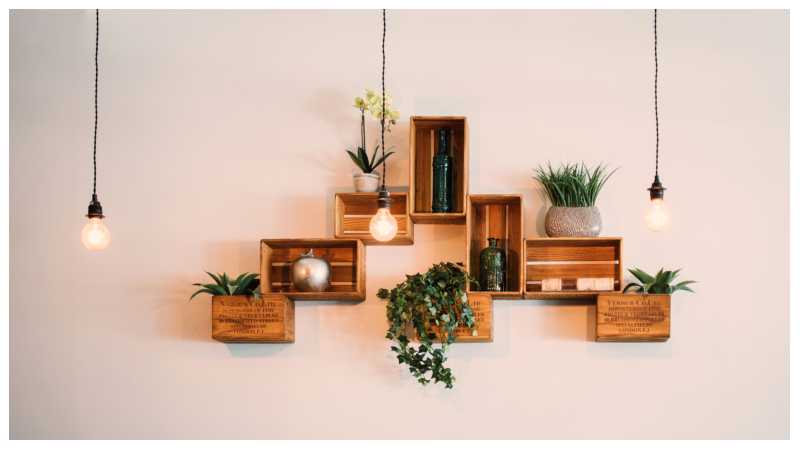
A beautiful home is not simply about expensive furniture, fashionable accessories, or large rooms. Good decoration is about creating a space that feels comfortable, practical, welcoming, and connected to your personal style. With thoughtful planning, even a simple room can become attractive and functional.
Whether you are decorating a new home or refreshing an existing space, small improvements can make a significant difference. The right colors, furniture, lighting, textures, and decorative details can completely change the atmosphere of a room. The key is to understand what your space needs before purchasing or rearranging anything.
This guide explores practical interior decoration tips mintpaldecor readers can use to create attractive and comfortable interiors without making the process unnecessarily complicated.
Start With a Clear Decoration Plan
Before moving furniture or purchasing decorations, create a basic plan for the room. Consider how you use the space, what you already own, and what needs to be changed.
Think about the room’s primary purpose. A living room may need comfortable seating and space for conversations, while a bedroom should encourage relaxation. A home office may require a functional desk, good lighting, and organized storage.
Measure the available space before purchasing large furniture. Knowing the dimensions helps prevent overcrowding and makes it easier to maintain comfortable walking areas.
A simple plan also helps control spending. Instead of buying decorative pieces impulsively, identify the most important improvements first and gradually add accessories that complement the overall design.
Choose a Suitable Color Palette
Color has a powerful effect on the appearance and mood of a room. Light shades can make smaller spaces feel more open, while deeper colors can create warmth and visual depth.
Start with a base color for walls or larger furniture. Then introduce one or two complementary colors through cushions, curtains, rugs, artwork, and accessories.
Neutral shades like white, beige, cream, gray, and gentle earth tones create a versatile base for any interior. You can then add stronger shades through smaller decorative elements.
Avoid using too many unrelated colors. A coordinated palette creates a more organized appearance and allows individual decorative pieces to stand out without making the room feel chaotic.
Select Furniture Based on Function
Furniture should look attractive, but it should also serve a practical purpose. Choose pieces according to the room’s size, layout, and daily requirements.
A large sofa may be comfortable, but it can overwhelm a small living room. Similarly, very small furniture may make a large room appear unfinished.
Pay attention to proportions. Furniture should allow people to move comfortably through the room without creating unnecessary obstacles.
Consider multifunctional furniture when space is limited. Storage ottomans, extendable tables, benches with hidden compartments, and sofa beds can provide useful functionality while maintaining a clean appearance.
The goal is to create a room where furniture supports everyday life rather than simply filling empty areas.
Improve the Lighting
Lighting is one of the most important elements of interior decoration because it affects both function and atmosphere. A room with beautiful furniture can still feel uncomfortable if the lighting is poor.
Whenever possible, make use of natural light. Keep windows clear and choose curtains or blinds that allow sunlight to enter when appropriate.
For artificial lighting, consider using multiple sources rather than relying on a single ceiling fixture. Table lamps, floor lamps, wall lights, and accent lighting can create different levels of brightness.
Warm lighting can make bedrooms and living rooms feel cozy, while brighter lighting can be useful in kitchens, offices, and work areas.
Decorative lighting can also become a design feature. A stylish pendant light or attractive floor lamp can add character while providing practical illumination.
Add Texture for Visual Interest
A room can feel flat when everything has the same texture. Introducing different materials creates depth and makes the interior more interesting.
Soft rugs, woven baskets, cushions, curtains, blankets, wood surfaces, ceramic objects, and textured fabrics can all contribute to a richer appearance.
For example, a smooth wooden table can look more inviting when paired with a textured rug and soft fabric seating. Similarly, a plain sofa can become more attractive with cushions and a comfortable throw.
Texture is particularly useful when working with neutral colors. Different materials can create variety without requiring bold or complicated color combinations.
Use Decorative Accessories Carefully
Accessories give a room personality, but using too many can make a space feel cluttered. Choose decorations that support the overall style instead of filling every available surface.
Artwork, mirrors, plants, vases, books, candles, decorative bowls, and small sculptures can all contribute to a finished look.
Group related objects together rather than spreading many small items throughout the room. A carefully arranged collection often looks more intentional than numerous unrelated decorations.
Remember that empty space is also valuable. Leaving some surfaces and wall areas open allows important decorative pieces to receive more attention.
Bring Nature Indoors
Plants are an easy way to introduce freshness and natural character into a home. They can add color, texture, and visual softness to different rooms.
Choose plants according to the amount of natural light available. If maintaining live plants is difficult, realistic artificial plants can provide a similar decorative effect.
Small plants can work well on shelves, desks, and side tables, while larger plants can become focal points in living rooms or entryways.
Natural materials can also bring an outdoor feeling inside. Wooden furniture, woven baskets, stone accessories, and natural fabrics can create a warm and relaxed atmosphere.
Create a Strong Focal Point
Every room benefits from having an area that naturally attracts attention. This could be a fireplace, artwork, statement light, accent wall, large mirror, beautiful piece of furniture, or carefully arranged display.
A focal point gives the room visual direction. Without one, decorations may compete with each other and the overall design can feel disorganized.
Choose one primary feature and arrange nearby furniture or accessories so they support it.
For example, if a large artwork is the focal point of a living room, avoid placing too many competing decorations around it. Let the artwork remain visually important.
Make Small Rooms Feel Larger
Small rooms require careful decoration because unnecessary furniture and accessories can quickly make them feel crowded.
Use furniture with appropriate proportions and keep pathways open. Mirrors can help reflect light and create a greater sense of depth.
Light colors can also contribute to an open feeling. Furniture with visible legs may make the floor appear less obstructed than heavy pieces that sit directly on the ground.
Use vertical space as well. Tall shelves, wall-mounted storage, and vertically arranged artwork can draw the eye upward while reducing the need for additional floor furniture.
These interior decoration tips mintpaldecor can be especially helpful when working with apartments, compact bedrooms, narrow hallways, or smaller living areas.
Keep Storage Attractive and Organized
Good decoration is easier to maintain when everything has a place. Clutter can quickly reduce the visual appeal of even a carefully decorated room.
Use attractive baskets, cabinets, shelves, storage benches, and boxes to organize everyday belongings.
Open shelving can display books and decorative objects, while closed storage can hide items that you do not want visible.
Try to avoid using every surface as storage. A balanced combination of open and closed storage keeps the room practical while preserving a clean appearance.
Personalize Your Interior
A home should reflect the people who live there. Trends can provide inspiration, but personal items make a space feel authentic.
Display photographs, artwork, travel souvenirs, favorite books, handmade objects, or other meaningful pieces.
You do not need to follow one decorating style perfectly. Mixing modern furniture with traditional accessories or combining different textures can create a distinctive interior when the elements are connected through color, proportion, or material.
Personalization is what turns a decorated room into a home.
Avoid Following Trends Too Closely
Interior trends can be useful for discovering new ideas, but not every trend is suitable for every home.
Instead of redesigning an entire room whenever a new style becomes popular, introduce trends through easily replaceable accessories. Cushions, artwork, small decorative pieces, and textiles can be updated more easily than flooring or major furniture.
Choose timeless foundations and use contemporary details selectively. This approach allows your home to remain current without requiring frequent expensive changes.
Good interior decoration tips mintpaldecor focus on creating spaces that remain useful and attractive beyond a single decorating season.
Maintain Balance and Proportion
Balance is essential for creating a visually comfortable room. This does not necessarily mean that everything must be symmetrical.
You can create balance by distributing furniture, colors, patterns, and decorative objects throughout the space.
For example, if one side of a room contains a large piece of furniture, visual weight can be balanced with artwork, a plant, or another substantial feature on the opposite side.
Pay attention to scale as well. A tiny artwork may disappear above a large sofa, while an oversized decorative object may dominate a small table.
Choosing pieces that relate well to the size of the room creates a more polished appearance.
Decorate Gradually
You do not have to complete an entire room in one weekend. Decorating gradually can actually produce better results because you have time to understand what the space needs.
Start with essential furniture and lighting. Then add rugs, curtains, artwork, plants, and accessories.
Live in the room for a while before making additional purchases. You may discover that a particular corner needs storage, that a wall looks better empty, or that a different arrangement improves movement.
Taking your time also reduces unnecessary spending.
Create a Home That Feels Comfortable
The most successful interiors combine beauty with comfort. A room should not only look good in photographs; it should work for everyday life.
Choose seating that is comfortable, lighting that suits different activities, storage that is convenient, and materials that are practical for your lifestyle.
Families with children or pets may need durable and easy-to-clean materials. People who work from home may need stronger attention to lighting and organization.
The best design decisions are those that make daily routines easier while maintaining a pleasing appearance.
Final Thoughts
Interior decoration does not require a huge budget or professional experience. Careful planning, thoughtful furniture selection, suitable colors, layered lighting, natural elements, useful storage, and personal accessories can transform an ordinary space.
The most important step is to understand your home’s needs and decorate according to the people who use it. Avoid unnecessary clutter, maintain comfortable movement, and select pieces that combine function with visual appeal.
By applying these interior decoration tips mintpaldecor, you can gradually develop a home that feels organized, welcoming, stylish, and genuinely personal. Instead of chasing every new trend, focus on creating rooms that support your lifestyle and bring you comfort every day.