
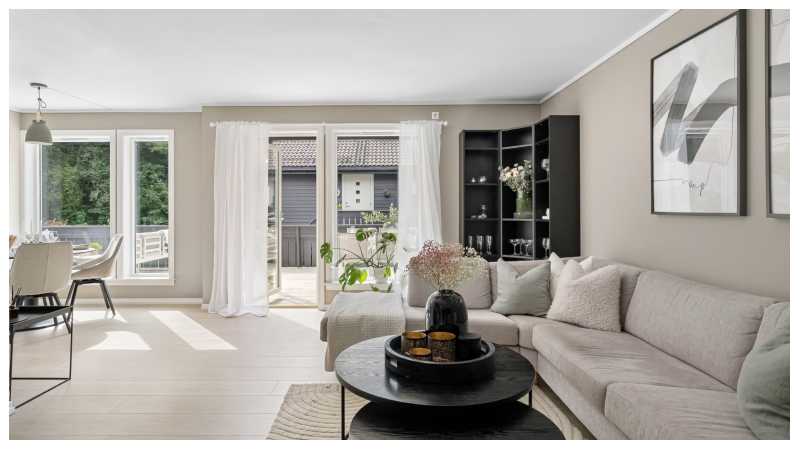
Creating a beautiful home is about more than choosing attractive furniture or following popular decorating trends. A successful home decoration plan combines personal style, comfort, functionality, color, lighting, organization, and thoughtful details. Every room offers an opportunity to create an environment that feels welcoming and reflects the people who live there.
MintPalDecor home decoration by myinteriorpalace explores practical and creative approaches to improving living spaces. Whether you are updating a single room or redesigning your entire home, thoughtful ideas can create a comfortable, balanced, and attractive interior.
This guide explains how to approach home decoration from the initial planning stage through the finishing touches.
Understanding Your Home Decoration Goals
Before purchasing anything, take time to understand what you want to achieve. A decorating project can become expensive and complicated when there is no clear direction.
Start by asking yourself a few questions:
- What do I want to change about the room?
- Is the main goal appearance, comfort, functionality, or all three?
- What furniture and decorations can I continue using?
- What colors and styles do I naturally enjoy?
- What is my available budget?
- How much time can I dedicate to the project?
Having clear answers makes it easier to make consistent decisions throughout the process.
A simple decorating goal might be to make a living room feel warmer and more comfortable. Another goal could be improving organization in a bedroom or creating a more functional home office.
Choose a Decorating Style
Selecting a general style can help bring different elements together. There are many decorating approaches to explore, including modern, traditional, minimalist, rustic, contemporary, industrial, coastal, and eclectic styles.
You do not have to follow one style perfectly. Your home can combine different influences as long as there is some visual connection between the elements.
For example, modern furniture can work well with natural wood accessories, while traditional artwork can complement contemporary furniture. The key is to avoid adding too many unrelated elements without a connecting color, material, shape, or theme.
Your personal preferences should remain the foundation of the design.
Build a Practical Color Palette
Color can completely change the atmosphere of a room. Before selecting paint, furniture, or accessories, consider how different shades work together.
A simple color palette can include a dominant color, one or two supporting colors, and a small number of accent shades.
Neutral colors such as white, beige, gray, cream, and soft brown can create a flexible foundation. Accent colors can then be introduced through cushions, artwork, rugs, curtains, plants, and decorative objects.
If you want a stronger appearance, consider using deeper colors on a feature wall or through selected furniture pieces.
The important thing is to create balance rather than filling every surface with a different color.
Make Furniture Work for the Room
Furniture is one of the largest visual elements in most rooms, so choosing the right pieces is essential.
Before buying furniture, measure the available space. Think about doorways, windows, walkways, and other fixed features. A beautiful piece may not be suitable if it prevents comfortable movement.
Consider how the room will actually be used. A family living room may require durable seating and a practical coffee table, while a formal sitting area may focus more heavily on appearance.
Avoid filling every empty area with furniture. Leaving some open space can make a room feel more comfortable and easier to navigate.
Create Comfortable Furniture Arrangements
Once furniture has been selected, its arrangement becomes important. Furniture should support conversation, movement, and the primary activities of the room.
In a living room, seating can be arranged around a central table or focal point. In a bedroom, the bed usually becomes the main visual feature, with side tables and lighting positioned conveniently nearby.
Try different arrangements before making permanent decisions. You may discover that moving one piece of furniture creates a much better flow.
The goal is to create an arrangement that looks balanced while remaining practical for everyday use.
Improve Your Lighting
Lighting can influence both the appearance and mood of a room. A well-decorated interior may still feel dull if it lacks suitable lighting.
Whenever possible, make use of natural light. Keep windows clean and choose window treatments that allow you to control brightness while still bringing daylight into the room.
Artificial lighting should also serve different purposes. General lighting provides overall illumination, task lighting helps with specific activities, and accent lighting highlights artwork or architectural features.
Floor lamps, table lamps, pendant lights, wall lights, and recessed lighting can all contribute to a layered lighting plan.
Add Texture and Depth
A room can feel flat when every surface has the same texture. Introducing different materials creates visual depth and makes the space more interesting.
Consider combining:
- Soft rugs
- Woven baskets
- Wooden furniture
- Glass accessories
- Metal details
- Textured cushions
- Fabric curtains
- Natural stone
- Decorative ceramics
The objective is not to use as many materials as possible. Instead, select a few complementary textures that create variety without making the room feel chaotic.
This is an important part of MintPalDecor home decoration by myinteriorpalace, because small changes in texture can make a noticeable difference without requiring a complete renovation.
Use Artwork and Decorative Accessories
Accessories provide opportunities to express your personality. Artwork, mirrors, photographs, books, vases, sculptures, candles, and decorative objects can give a room character.
However, decoration works best when it is intentional. Too many accessories can create clutter and make individual pieces less noticeable.
Choose objects that have meaning or contribute to the overall design. A large piece of artwork can become a focal point, while smaller decorative items can support the room’s color palette.
You can also rotate accessories throughout the year to refresh your interior without purchasing large amounts of new furniture.
Bring Nature Indoors
Natural elements can make a home feel fresh and welcoming. Plants are one of the easiest ways to introduce greenery and texture into an interior.
Choose plants according to the amount of sunlight, humidity, and maintenance you can provide. If live plants are not practical, natural materials such as wood, rattan, bamboo, stone, and woven fibers can still introduce an organic feeling.
A few carefully selected natural elements can soften rooms dominated by hard surfaces.
Make Storage Attractive
Good storage is essential for maintaining a neat home. Clutter can quickly reduce the visual impact of even excellent decoration.
Instead of treating storage as an afterthought, make it part of the decorating plan.
Open shelves can display books and decorative objects, while closed cabinets can hide everyday items. Baskets can provide flexible storage, and furniture with built-in storage can be particularly useful in smaller homes.
The best storage solutions combine accessibility with appearance.
Decorate Small Spaces Strategically
Small rooms require careful planning. The goal is to maximize functionality without making the space feel crowded.
Consider furniture that serves multiple purposes, such as storage ottomans, foldable tables, or beds with built-in storage.
Vertical space can also be useful. Tall shelving can provide storage without taking up much floor area.
Mirrors may help reflect light and create a greater sense of openness, while lighter colors can contribute to a brighter appearance.
Most importantly, avoid unnecessary furniture and decorations. Every item should have a purpose or add meaningful visual value.
Create a Welcoming Living Room
The living room is often one of the most frequently used areas in a home. It should therefore balance comfort and appearance.
Start with comfortable seating and arrange it so that people can easily communicate. Add a suitable coffee table, practical lighting, and a rug that helps visually connect the seating area.
Artwork, cushions, plants, and carefully selected accessories can then add personality.
The result should feel inviting rather than overly formal.
Create a Relaxing Bedroom
A bedroom should support rest and relaxation. Soft colors, comfortable bedding, suitable lighting, and minimal clutter can contribute to a peaceful environment.
Choose bedside lighting that is practical for reading or nighttime use. Keep frequently needed items within easy reach, and consider storage solutions that help maintain an organized appearance.
Avoid overcrowding the room with unnecessary decorations. A calm and simple environment can often feel more comfortable.
Improve Your Kitchen and Dining Area
Kitchen and dining areas need to be attractive while remaining highly functional.
Keep frequently used kitchen items accessible and organize storage according to your routine. Decorative objects should not interfere with food preparation or cleaning.
In dining areas, choose furniture that fits the available space and allows people to move comfortably around the table.
Lighting can also play an important role. A pendant light above the dining table can create a visual focal point while providing useful illumination.
Add Personality Without Creating Clutter
A home should reflect the people who live there. Personal photographs, artwork, collections, books, souvenirs, and handmade objects can make an interior feel authentic.
The challenge is to display meaningful items without overwhelming the room.
Instead of displaying everything at once, select a few favorite pieces and give them enough space to be appreciated. You can change displays periodically to keep the room feeling fresh.
Personal decoration is often more valuable than simply filling a room with expensive accessories.
Consider Timeless Choices
Trends can be useful sources of inspiration, but they should not control every decorating decision.
Large purchases such as sofas, flooring, cabinets, and major lighting fixtures can remain in your home for many years. Choosing versatile designs can make it easier to update your interior later.
Trendy colors and patterns can be introduced through smaller items such as cushions, artwork, throws, and accessories. These can be changed more easily when your preferences evolve.
This approach can make decorating more sustainable and budget-friendly.
Plan Your Budget
A realistic budget helps prevent unnecessary spending. Divide your decorating project into priorities and decide which improvements matter most.
For example, you may prioritize lighting and furniture before purchasing decorative accessories. Alternatively, a room may already have good furniture but need better storage and artwork.
Look for opportunities to reuse items. Painting an existing piece of furniture, changing hardware, rearranging accessories, or updating textiles can sometimes create a fresh appearance without major expenses.
Thoughtful planning often produces better results than simply buying more things.
Avoid Common Decorating Mistakes
Several common mistakes can make a room feel less successful.
One is buying furniture before measuring the room. Another is using too many unrelated colors or patterns. Poor lighting, excessive clutter, and a lack of storage can also reduce functionality.
Another common issue is copying a design exactly from a photograph without considering how the room will actually be used.
Inspiration is valuable, but your own home’s dimensions, lifestyle, budget, and needs should guide the final decisions.
Make Improvements Gradually
You do not have to complete an entire home makeover in one weekend. Decorating gradually can make the process easier and more affordable.
Start with the room that needs the most attention. Make a few improvements, live with them for a while, and then decide what should happen next.
This approach gives you time to understand what works and prevents unnecessary purchases.
The principles behind MintPalDecor home decoration by myinteriorpalace encourage thoughtful choices instead of rushing into major changes.
Final Thoughts
Home decoration is a creative process that allows you to improve both the appearance and functionality of your living environment. From selecting colors and furniture to improving lighting, adding texture, organizing storage, and displaying personal items, every decision contributes to the character of your home.
The most successful decorating projects are not necessarily the most expensive. They are the ones that respond to the needs of the people living in the space.
MintPalDecor home decoration by myinteriorpalace is about finding practical ways to make a home feel more comfortable, attractive, organized, and personal. Start with clear goals, work within your budget, and make changes that genuinely improve your everyday experience.
With thoughtful planning and a little creativity, almost any room can become a more welcoming place to live.