
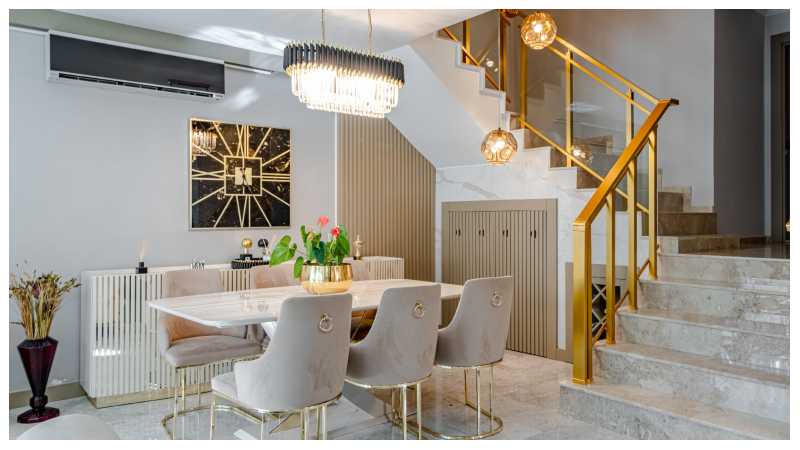
Interior design is an important part of creating a home that feels comfortable, attractive, organized, and personal. A well-designed space is not simply about buying beautiful furniture or following the latest decorating trend. It involves understanding how colors, lighting, furniture, materials, textures, layouts, and decorative elements work together.
At MintPalDecor, we believe that good design should combine beauty with practicality. Your home should look appealing while also supporting your everyday lifestyle. Whether you are decorating a single room, refreshing your entire house, or planning a larger improvement project, thoughtful design can make a significant difference.
This guide explores the essential principles of interior design mintpaldecor readers can use to create spaces that are stylish, welcoming, and functional.
What Is Interior Design?
Interior design is the process of planning and improving indoor spaces so they are visually appealing, comfortable, and useful. It involves decisions about room layouts, furniture, colors, lighting, flooring, wall treatments, accessories, and other elements.
Interior design goes beyond simply adding decorative elements to a room. Decoration focuses heavily on appearance, while interior design considers how a space functions and how its different elements work together.
For example, a living room may have beautiful furniture, but if the seating arrangement makes conversation difficult or blocks movement through the room, the design is not particularly functional. Good planning considers both appearance and usability.
Why Good Interior Design Matters
Your home is one of the places where you spend a significant amount of your time. The way your rooms are designed can influence how comfortable and organized your daily life feels.
A thoughtful design can help:
- Make rooms feel more spacious
- Improve movement between different areas
- Create a comfortable atmosphere
- Organize furniture and belongings
- Make better use of available space
- Reflect your personality and preferences
- Create visual balance
- Improve the overall appearance of your home
Good design does not necessarily require expensive furniture or major renovations. Small, carefully planned changes can sometimes create a noticeable improvement.
Start With Your Needs
Before choosing colors or purchasing furniture, think about how you actually use the room.
A living room used primarily for family gatherings may need comfortable seating and an open layout. A home office may require a practical desk, suitable lighting, and organized storage. A bedroom should focus on creating a comfortable and relaxing atmosphere.
Ask yourself a few basic questions:
- What is the main purpose of this room?
- Who will use it?
- What activities take place here?
- What problems currently exist?
- What storage do I need?
- How much furniture can the room comfortably accommodate?
Answering these questions gives you a foundation for making better design decisions.
Choose a Suitable Color Scheme
Color has a major effect on the appearance and atmosphere of a room. Light colors can help a smaller space feel brighter and more open, while darker shades can create warmth and depth.
You do not need to use the same color throughout your home. Instead, consider creating a relationship between rooms through complementary colors and consistent design elements.
A simple approach is to select:
- A dominant color for larger surfaces
- A secondary color for furniture and important features
- An accent color for accessories and decorative details
Neutral colors can provide a flexible foundation, while carefully selected accent colors can add personality.
Pay Attention to Lighting
Lighting is one of the most important elements of interior design. Even a beautifully decorated room can feel unattractive if the lighting is poor.
Whenever possible, take advantage of natural light. Keep windows clear and use curtains or blinds that allow you to control brightness without completely blocking sunlight.
Artificial lighting should also be layered. Consider combining:
- General room lighting
- Task lighting
- Accent lighting
- Decorative lighting
For example, a living room may benefit from ceiling lighting combined with floor lamps and smaller accent lights. This gives you greater control over the mood and functionality of the space.
Select Furniture Carefully
Furniture should fit both the room and the people who use it. Large furniture can overwhelm a small room, while undersized pieces may leave a spacious room looking incomplete.
Before buying anything, measure your space carefully. Consider the furniture’s width, height, depth, and the amount of walking space required around it.
It is also important to think about proportion. A large sofa may dominate a small room, while a very small coffee table may look disconnected from a large seating arrangement.
Comfort should always be part of the decision. A piece of furniture can look impressive but still be unsuitable if it is uncomfortable or difficult to use.
Create Balance and Visual Harmony
Balance helps a room feel organized rather than chaotic. It can be achieved through the arrangement of furniture, colors, shapes, patterns, and decorative objects.
Symmetrical arrangements can create a traditional and orderly appearance. Asymmetrical arrangements can provide a more relaxed and contemporary feeling.
You can also create balance by distributing visual weight throughout the room. For example, a large piece of furniture on one side can be balanced by several smaller elements on the other side.
The goal is to make every element feel connected rather than randomly placed.
Use Textures to Add Character
Texture adds depth and interest to an interior. A room containing only smooth surfaces can sometimes feel flat, while combining different textures can create a warmer and more inviting environment.
Consider incorporating materials such as:
- Wood
- Glass
- Metal
- Cotton
- Wool
- Stone
- Woven materials
- Natural fibers
Soft rugs, textured cushions, woven baskets, curtains, and natural materials can make a room feel more comfortable without requiring major changes.
Make Storage Part of the Design
Storage is often overlooked when people think about interior design. However, clutter can quickly reduce the visual appeal of even a well-decorated room.
Look for storage solutions that are both practical and attractive. Shelving, cabinets, baskets, storage benches, and multifunctional furniture can help keep everyday items organized.
When possible, choose storage that complements the style of the room. This allows practical features to become part of the overall design rather than appearing out of place.
Add Personal Elements
A home should not look like a showroom. Personal objects are what make a space feel connected to the people who live there.
Consider displaying:
- Family photographs
- Artwork
- Books
- Travel memories
- Handmade objects
- Plants
- Favorite decorative pieces
The key is moderation. Too many objects can create visual clutter, while carefully selected pieces can add personality and meaning.
Consider the Size of Your Space
Every room has different possibilities and limitations. A design that works beautifully in a large house may not work in a small apartment.
For smaller rooms, consider furniture with multiple functions, lighter visual elements, mirrors, vertical storage, and open pathways. Keeping the floor relatively clear can also help create a sense of spaciousness.
Larger rooms may require more substantial furniture and carefully defined areas. Rugs, lighting, furniture groupings, and decorative features can help divide a large space into comfortable zones.
Think About Functionality
A beautiful room should also be easy to live in. This is one of the central principles of interior design mintpaldecor readers should keep in mind.
Think about how people move through the room. Doors should open comfortably, pathways should remain clear, and frequently used items should be easy to reach.
For example, a dining area should provide enough room for chairs to move in and out. A bedroom should have convenient access around the bed. A kitchen should support an efficient workflow between important areas.
When functionality is considered from the beginning, the finished room is more enjoyable to use.
Combine Style With Practicality
Choosing a specific interior style can help create consistency throughout your home. Popular approaches include modern, minimalist, traditional, rustic, industrial, contemporary, and eclectic styles.
However, you do not have to follow one style perfectly. Combining elements from different styles can create a unique environment.
For example, contemporary furniture can work with traditional artwork, or modern lighting can complement natural wood features. The important thing is to create a visual connection through colors, materials, shapes, or proportions.
Use Plants and Natural Elements
Plants can bring life and freshness into an interior. They can also add color, texture, and natural character.
If you do not have much experience caring for plants, start with varieties that are suitable for your home’s lighting and your ability to maintain them.
Natural wood, stone, woven materials, and other organic elements can also create a warm atmosphere. These features can be especially useful in rooms that otherwise contain many manufactured surfaces.
Avoid Following Trends Too Closely
Design trends can provide excellent inspiration, but they should not control every decision. Trends change over time, while major furniture and renovation choices can remain in your home for many years.
A better approach is to create a timeless foundation and introduce trends through smaller, replaceable elements. Cushions, artwork, accessories, and decorative accents can be changed more easily than flooring, cabinets, or major furniture.
This approach can help your home remain attractive even as design preferences evolve.
Plan Before Starting a Project
One of the easiest ways to avoid unnecessary expenses is to plan before making changes.
Create a simple list of your goals, establish a realistic budget, measure the room, and determine which items you already own that can be reused.
If a project involves electrical work, structural changes, plumbing, gas, or other specialized work, consider consulting an appropriately qualified professional.
Good planning can help reduce mistakes and make the improvement process more manageable.
Create a Home That Reflects You
Ultimately, interior design should reflect the people who live in the home. A space does not need to follow a magazine-perfect style to be successful.
Think about the colors you enjoy, the furniture you find comfortable, the activities you love, and the atmosphere you want to create.
Your home should support your lifestyle rather than forcing you to live according to a particular design trend.
Final Thoughts
Creating an attractive home is a process rather than a single project. From choosing a color palette and arranging furniture to improving lighting and organizing storage, every decision contributes to the overall environment.
The most effective interior design mintpaldecor approach combines creativity, comfort, functionality, and personal style. You do not need to transform your entire home at once. Start with one room, identify the biggest opportunities for improvement, and make thoughtful changes over time.
At MintPalDecor, our goal is to provide practical inspiration for homeowners who want to improve their surroundings. Whether you are making a small decorative update or planning a larger home improvement project, thoughtful design can help you create a space that is comfortable, useful, and uniquely yours.
Remember that the best home is not necessarily the one with the most expensive furniture or the latest trends. It is the home that works well for the people who live there and makes everyday life feel more comfortable and enjoyable.